Six Weeks In and the Scale Stopped Moving? Read This Before You Panic
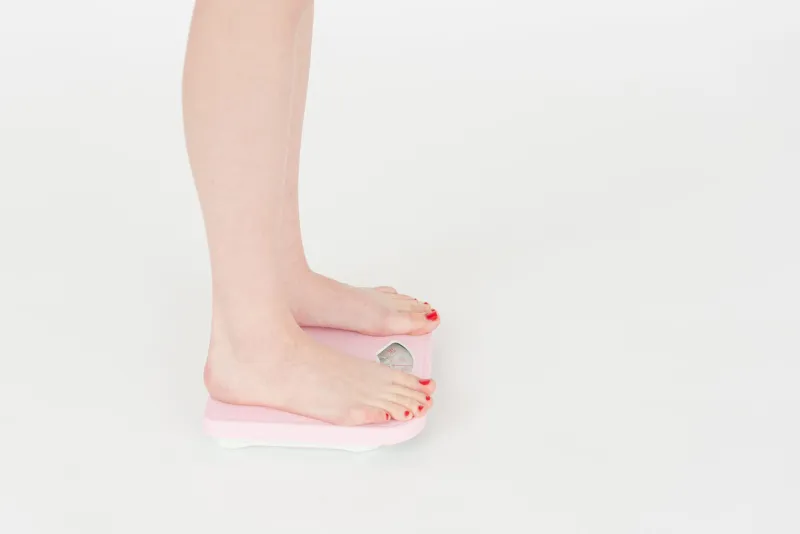
The Week Six Wall
It happens with almost eerie consistency. You start a plan, the first few weeks deliver satisfying drops on the scale, you're motivated, you're meal-prepping on Sundays — and then, right around week six, the number just... stops.
The internet will tell you this is a crisis. It will sell you a metabolism fix, a carb cycle, a 30-day something. But here's the take we'll stand behind: a plateau at week six is often evidence that your plan is working, not failing.
What's Actually Happening in There
When you lose weight, your body doesn't just shrug and keep burning calories at the old rate. It adapts. Scientists call this adaptive thermogenesis — a fancy term for your metabolism downshifting to match your new, lighter body.
Think of it like a car. A heavier car burns more fuel at highway speed. Lose 10 pounds, and your engine gets more efficient — same effort, less gas. Add to that a subtle increase in hunger hormones and a natural decrease in everyday movement (you fidget less, you take the escalator, you don't even notice), and your calorie burn quietly drops below what your tracking app promised.
So the deficit that produced a pound a week in January produces half a pound by February. That's not broken. That's biology doing its job — your body protecting what it sees as its new normal.
The Scale Is a Terrible Narrator
Here's the part nobody wants to hear: at week six, the scale is the least reliable data point you have.
Why? Water. Glycogen. A salty takeout order on Tuesday. Hormonal shifts across the month. Muscle repair from that new strength routine. Any of these can mask genuine fat loss for a week or more — sometimes two or three.
Better signals to watch:
- Progress photos — same lighting, same time of day, every two weeks
- Measurements — waist, hips, thighs
- How clothes fit — the original wearable fitness tracker
- Consistency itself — are you still showing up? That's the win
If any of those are trending in the right direction while the scale stalls, you're not plateaued. You're just measuring with the wrong instrument.
Adjust or Wait? A Quick Decision Guide
Sometimes a stall does mean it's time to change something. Here's how to tell the difference:
Wait it out if:
- It's been fewer than three weeks
- Your measurements or photos are still improving
- Life's been stressful or your sleep's been rough (both cause water retention)
Time to adjust if:
- Six-plus weeks with zero movement in scale, measurements, or photos
- Your hunger is unmanageable (under-eating backfires)
- You've genuinely stopped logging or moving like you were
And when you do adjust? Small moves. Add a daily walk. Recheck your portions — portions tend to creep. Prioritize protein and sleep. You rarely need a dramatic overhaul; you need a nudge.
Reframe the Plateau
Here's the opinion part, since this is an opinion piece: the plateau is the moment your body accepts the new you. The weight you lost has become your baseline. Your metabolism has recalibrated around it. In a strange way, week six is your body saying, "Okay, this is who we are now."
That's not failure. That's consolidation. And the people who keep the weight off long-term are almost always the ones who learned to sit through this chapter without panicking.
So if the scale has gone quiet on you, don't throw the plan away. Zoom out, trust the other signals, and give your body a little credit — it's not fighting you. It's catching up.