That Afternoon Slump Isn't a Character Flaw — It's a Chemistry Problem
It happens like clockwork. You crushed your morning, maybe even skipped the donuts in the breakroom. Then 3 PM rolls around, your brain turns to static, and suddenly that bag of peanut M&Ms is calling your name like an old friend.
If this sounds familiar, here's the good news: you're not lazy, weak, or broken. You're running low on fuel — and the way most of us eat lunch in America practically guarantees the crash. Let's break down what's actually happening in your body, and more importantly, how to fix it.
The Blood Sugar Rollercoaster, Explained
When you eat a meal heavy in refined carbs — think a sandwich on white bread with chips, or a pasta-heavy lunch special — your blood glucose spikes fast. Your pancreas responds by releasing insulin to shuttle that sugar out of your bloodstream. Often, it overcorrects, and by mid-afternoon your blood sugar dips below where it started.
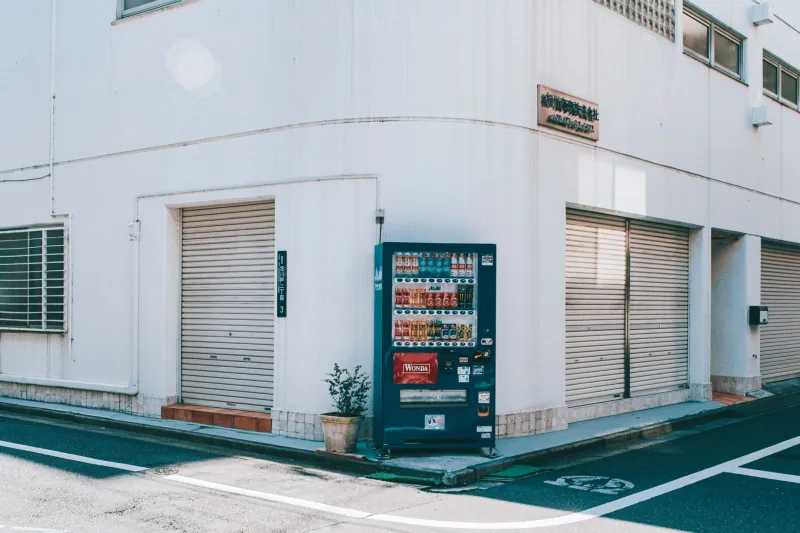
That dip is the slump. Low blood sugar means low energy, foggy thinking, irritability, and — here's the kicker — intense cravings for more quick sugar. Your brain, which burns through roughly 20% of your daily calories, is essentially screaming at you to fix the problem with the fastest fuel available. Enter the vending machine.
Researchers sometimes call this pattern the "post-prandial dip," and studies on glucose curves show that people who experience big spikes and crashes tend to feel hungrier and snack more in the hours that follow. It's biology, not a lack of discipline.
The Lunch That's Sabotaging Your Afternoon
Take a hard look at what you're eating around noon. The typical American desk lunch — a wrap, a bowl of leftover pasta, a "healthy" smoothie that's basically dessert — is often carb-dominant with very little protein, fiber, or fat to slow digestion.
Protein and fat are your stabilizers. They slow gastric emptying, meaning glucose enters your bloodstream gradually instead of all at once. Fiber does similar work. Without them, you're setting up a spike-crave-crash cycle that repeats daily.
Sleep Debt: The Sneaky Craving Amplifier
Blood sugar isn't the only culprit. If you slept five or six hours last night, your afternoon cravings are about to get worse — a lot worse.
Research from sleep labs has shown that even a few nights of partial sleep deprivation increases hunger hormones (ghrelin), decreases fullness hormones (leptin), and ramps up activity in the brain's reward centers when we look at junk food. In other words, that 3 PM cookie isn't just tempting because your blood sugar dipped — it's tempting because your tired brain finds it more rewarding than it would on a well-rested day.
If your cravings cluster on days after rough nights, that's your clue. No lunch hack fully outruns chronic sleep debt.
Five Fixes for the 3 PM Crash
You don't need a total diet overhaul. Try these swaps and see how your afternoons feel:
1. Front-load your lunch with protein. Aim for 25–30 grams at lunch — a grilled chicken salad, Greek yogurt with berries, a turkey and cheese roll-up, leftover chili. Protein first, carbs as the side, not the star.
2. Don't fear fat and fiber. Add avocado to that salad, throw beans into your bowl, choose whole grain bread. These slow everything down and keep you full longer.
3. Eat lunch on a schedule, not when you're starving. If you wait until 1:30 PM and eat ravenously, you're more likely to grab whatever's fast and carb-heavy. A consistent lunchtime keeps the whole system steadier.
4. If you need a snack, make it strategic. A small snack around 2:30–3 PM — a handful of almonds, an apple with peanut butter, string cheese — can bridge the gap before dinner and prevent the blood sugar dive entirely. Snacking isn't the enemy; unplanned snacking is.
5. Take a ten-minute walk after lunch. A post-meal stroll helps your muscles pull glucose out of your bloodstream, blunting the spike before it starts. Bonus: it gets you away from your desk.
The Bottom Line
The 3 PM snack attack isn't a test of your willpower — it's a predictable physiological response to an unbalanced lunch, unstable blood sugar, and maybe a few short nights of sleep. Fix the inputs and the cravings lose most of their power.
Start with just one change this week. Swap your usual lunch for a protein-forward version and see what happens by mid-afternoon. Small, boring, consistent tweaks — that's how sustainable weight loss actually works.