Every Aisle Is a Protein Aisle Now: Sorting the Boom From the Biology
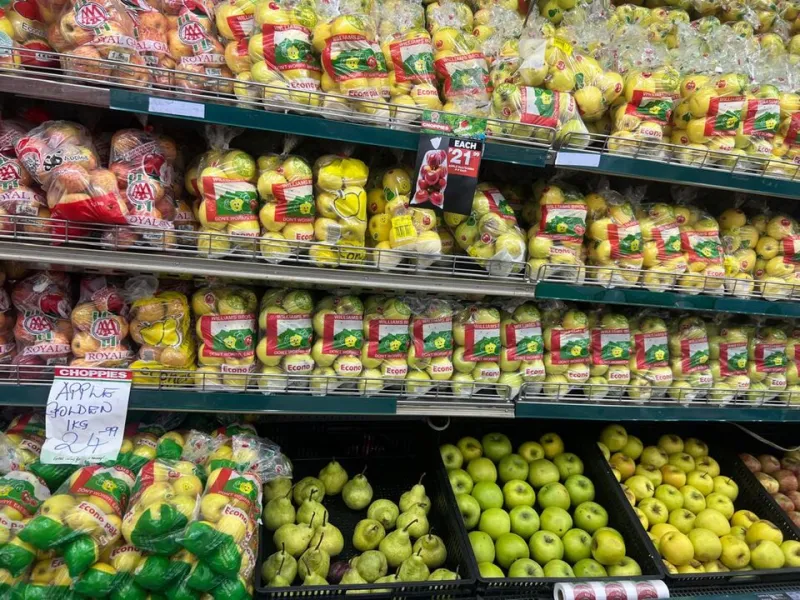
Photo: Olgatladi2020, CC BY-SA 4.0, via Wikimedia Commons
Walk down a cereal aisle in 2026 and count how many boxes advertise protein in the first three words. Then check the snack aisle, the coffee shelf, the water cooler, and the candy section. The macro that used to live in chicken breasts and eggs has been sprinkled across the entire store, and the price tag has followed it upward.
None of this is a conspiracy. Protein is genuinely important, and food companies respond to what shoppers want. But a nutrient getting a marketing budget is not the same as you needing more of it. Those are two different conversations, and they've been blended together on purpose.
How much protein does a person actually need?
The long-standing Recommended Dietary Allowance is 0.8 grams per kilogram of body weight per day — about 0.36 grams per pound. For a 150-pound adult, that's roughly 55 grams. A 180-pound adult lands around 65 grams.
That number is a baseline to prevent deficiency, not a ceiling and not a personal prescription. Certain groups do better with more:
- Older adults, who lose muscle mass with age, often benefit from around 1.0 to 1.2 grams per kilogram.
- People doing regular strength training commonly aim for 1.2 to 1.6 grams per kilogram.
- People eating in a calorie deficit often push toward the higher end of that range to hold onto muscle while losing fat.
- Some vegetarians and vegans need to be a bit more deliberate about sources and total intake.
Here's the part the packages don't mention: most US adults already meet or exceed the RDA without trying. If you eat eggs at breakfast, a turkey sandwich at lunch, and chicken or beans at dinner, you're probably there. The gap for most people isn't protein. It's fiber, produce, and sleep.
The math on a 'protein' snack
Compare a few common options by grams of protein and cost per serving, using rough national averages:
- Three large eggs: about 18 grams of protein for well under a dollar.
- A cup of plain Greek yogurt: about 20 grams for roughly $1.25 to $1.50.
- Half a cup of cottage cheese: 12 to 14 grams for about 60 cents.
- A can of tuna: 20 to 25 grams for a dollar or two.
- A bag of protein chips: 15 to 20 grams for $2.50 to $3.50, plus a hefty sodium load.
- A protein-fortified coffee drink: 10 to 20 grams, with a couple of dollars tacked onto the price of a coffee you were going to buy anyway.
- Protein cereal: often 15 to 20 grams, sometimes alongside 12 or more grams of added sugar.
Some of these are fine products. But look at the cost per gram and at what else comes in the package. Fortified snacks are, in most cases, an expensive way to buy a nutrient that was already cheap and widely available.
What fortification can't add
When a food is fortified with protein, it gains exactly one thing. It doesn't gain fiber, water, potassium, magnesium, or the volume that makes a meal feel like a meal. A protein cookie is still a cookie. A protein cereal is still a cereal, and often a sweet one.
The other thing it doesn't add is satiety from volume. Whole foods with high water and fiber content fill you up physically, not just on paper. That's part of why a bowl of yogurt with berries tends to hold you better than a protein bar of the same calorie count.
The crowding-out problem
There's a subtler cost to protein obsession: the things it elbows out of your day. The average American gets roughly 15 grams of fiber daily against a recommended 25 to 30. Every snack slot you fill with a protein-fortified product is a slot you didn't fill with fruit, vegetables, beans, or whole grains — the foods that close that gap.
There's also a mental cost. If breakfast feels like a failure because it only has 12 grams of protein, that's not nutrition, that's anxiety with a macro label. Chasing a number on a package can turn a normal meal into a scorecard, and scorecards are exhausting to maintain. For anyone with a history of disordered eating, that pressure deserves real attention rather than another app to log it in.
One more thing worth saying plainly: for people with healthy kidneys, higher protein intakes haven't been shown to cause harm in the research. If you have chronic kidney disease, that's a different conversation and one to have with your doctor, not a package.
A three-question test for the shelf
Before a protein product goes in your cart, ask:
- Does this give me anything besides protein? Fiber, produce, whole grains, actual food structure — or is protein the only selling point?
- What's the cost per gram? Divide the price by the grams of protein. Compare it to eggs, yogurt, cottage cheese, or beans.
- Would I eat this if it weren't 'high protein'? If the answer is no, the label did the work, not the food.
There's also a free upgrade: buy plain yogurt and add your own fruit. Buy regular oatmeal and stir in cottage cheese. Buy eggs and eat them. None of that requires a new product category.
Who actually benefits from more
If you're over 60, lifting weights, eating in a deficit, or running a mostly plant-based diet without much planning, being intentional about protein is a good idea. So is getting 25 to 30 grams at each meal rather than 5 at breakfast and 60 at dinner — spreading it out seems to help muscle maintenance and keeps you full between meals.
A practical anchor: a palm-sized portion of a protein food at each meal. That's it. No powder required.
The bottom line
Protein deserves its place on your plate. It doesn't deserve to be the only word on the box. If a fortified product makes a real meal easier on a busy day, use it without guilt. But if you're spending an extra $40 a week to reach a protein number you were already hitting, the boom has sold you something you didn't need — and quietly taken shelf space from the fiber you did.