The Scale Says Success, But Your Body Might Be Saying Something Else: The Case for Keeping Your Muscle
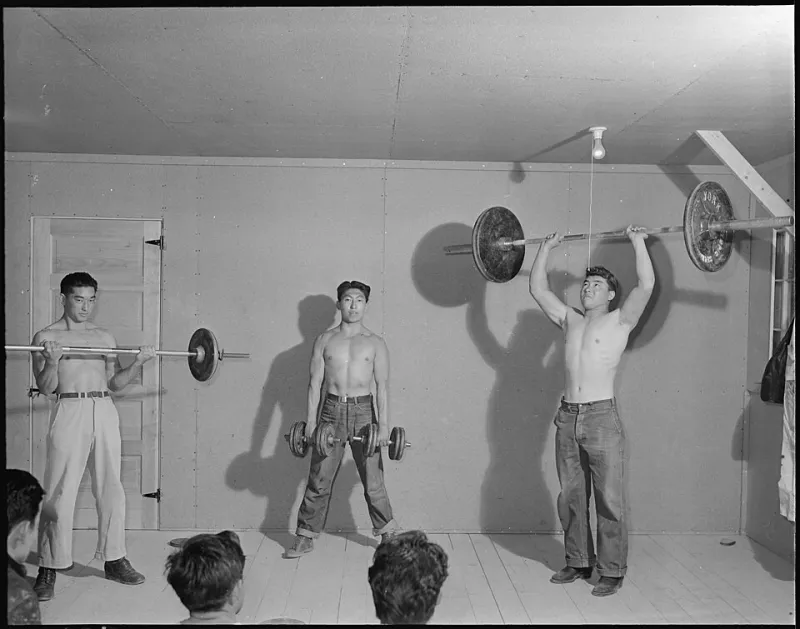
Photo: Tom Parker, Public domain, via Wikimedia Commons
The number on the bathroom scale is down. Your jeans fit better. By every metric you've been taught to care about, the diet is working.
So why do you feel weaker carrying groceries up the stairs? Why did your arms look a little... smaller in a way you didn't exactly ask for?
Here's the uncomfortable truth the weight loss industry doesn't love to advertise: not all pounds are created equal, and a crash diet paired with a cardio-only routine is often just as happy to burn through muscle as it is fat. If you're not careful, you can hit your goal weight and end up with a body composition that's arguably worse than when you started.
What's Actually Leaving Your Body
When you eat in a significant calorie deficit, your body doesn't check in with you about where the energy comes from. It pulls from fat stores, yes — but it also breaks down muscle tissue, especially when protein intake is low and you're not giving your muscles any reason to stick around.
Researchers call this "weight loss without weight management," and the consequences sneak up on people. In some poorly designed rapid-weight-loss studies, participants lost a meaningful chunk of their total weight from lean mass — sometimes 25% or more. That's not just cosmetic. Muscle is metabolically active tissue, meaning it burns calories even while you're binge-watching Netflix. Lose it, and your resting metabolism quietly downshifts.
That downshift is a big part of why so many people regain weight after a diet. Your body now needs fewer calories than it did before, but your appetite doesn't get the memo. The math stops working in your favor.
The Aging Problem Nobody Mentions at the Gym
Here's the part that matters even if you're 25 and feeling invincible: adults naturally lose muscle as they age — a process called sarcopenia that can start as early as your 30s. Without resistance training and adequate protein, the average American loses roughly 3 to 8% of their muscle mass per decade after 30.
Crash-diet your way through your 30s and 40s without protecting muscle, and you're essentially fast-forwarding that decline. Muscle isn't just about looks, either. It's what keeps you independent at 75 — the strength to get off the floor, carry a suitcase, open a stubborn jar. Every pound of muscle you preserve now is a deposit in a retirement account your future self will be very grateful for.
How to Tell What You're Actually Losing
The scale can't distinguish fat from muscle, which makes it a surprisingly unreliable narrator. A few better signals:
- Your strength in the gym. If your lifts or resistance work are getting easier or holding steady while your weight drops, you're likely preserving muscle. If everything's getting weaker, that's a red flag.
- How your clothes fit versus the scale. Losing inches while the scale barely moves usually means you're trading fat for muscle — a win the scale punishes.
- Bioelectrical impedance or DEXA scans. Smart scales aren't perfect, but a trend line over months can hint at body composition shifts. A DEXA scan is the gold standard if you want real data.
- Energy and recovery. Constant fatigue, poor sleep, and feeling "flat" during workouts can suggest you're under-fueled and burning through lean tissue.
Protein: The Unsung Hero of the Grocery List
If muscle is on your shopping list, protein is the first aisle you hit. Most Americans comfortably meet the bare-minimum RDA of 0.8 grams per kilogram of body weight — but that number was set to prevent deficiency, not to preserve muscle during a diet.
Research increasingly points toward 1.2 to 1.6 grams per kilogram (roughly 0.55 to 0.73 grams per pound) for people actively losing weight, especially those over 40. For a 180-pound person, that's somewhere in the neighborhood of 100 to 130 grams a day — spread out, not crammed into one dinner.
The good news: you don't need to live on chicken breast and protein shakes. Eggs at breakfast, Greek yogurt as a snack, a can of tuna at lunch, beans in your chili, a palm-sized portion of meat or tofu at dinner. Boring middle-aisle and freezer-aisle staples do this job just fine.
Why You Need to Lift Something (Anything)
Cardio is wonderful for your heart, your mood, and your calorie burn. But it gives your muscles very little reason to stay. Muscle is the ultimate "use it or lose it" tissue — and the signal it responds to is resistance.
That doesn't mean you need a gym membership or a barbell. Two or three short sessions a week of:
- Bodyweight squats and push-ups
- Resistance bands (a $20 investment that lasts years)
- Dumbbell work while watching TV
- Even heavy yard work or carrying groceries deliberately
...is enough to tell your body "we're still using this, don't sell it off." Think of resistance training as the deposit requirement on your muscle savings account. Cardio is the spending; strength work is what keeps the balance intact.
Slower Really Is Smarter
One more lever worth pulling: the speed of your loss. Aggressive deficits — the kind promising 3 pounds a week — dramatically increase the share of weight lost from muscle. A moderate deficit of 300 to 500 calories a day, paired with protein and resistance work, shifts the ratio heavily toward fat loss. You'll lose slower. You'll also lose the right thing.
The goal was never just to weigh less. It's to be stronger, more capable, and harder to knock off track a year from now. The scale will get you to the finish line. Your muscle is what decides whether you get to stay there.